



Is 9th November 2026 a stock market holiday?









Key takeaways:
- NSE and BSE will remain open on Monday, 9 November 2026, as the date is not listed as a stock market trading holiday.
- MCX will also remain open for its regular trading sessions.
- The stock market will remain closed on Tuesday, 10 November 2026, for Diwali-Balipratipada.
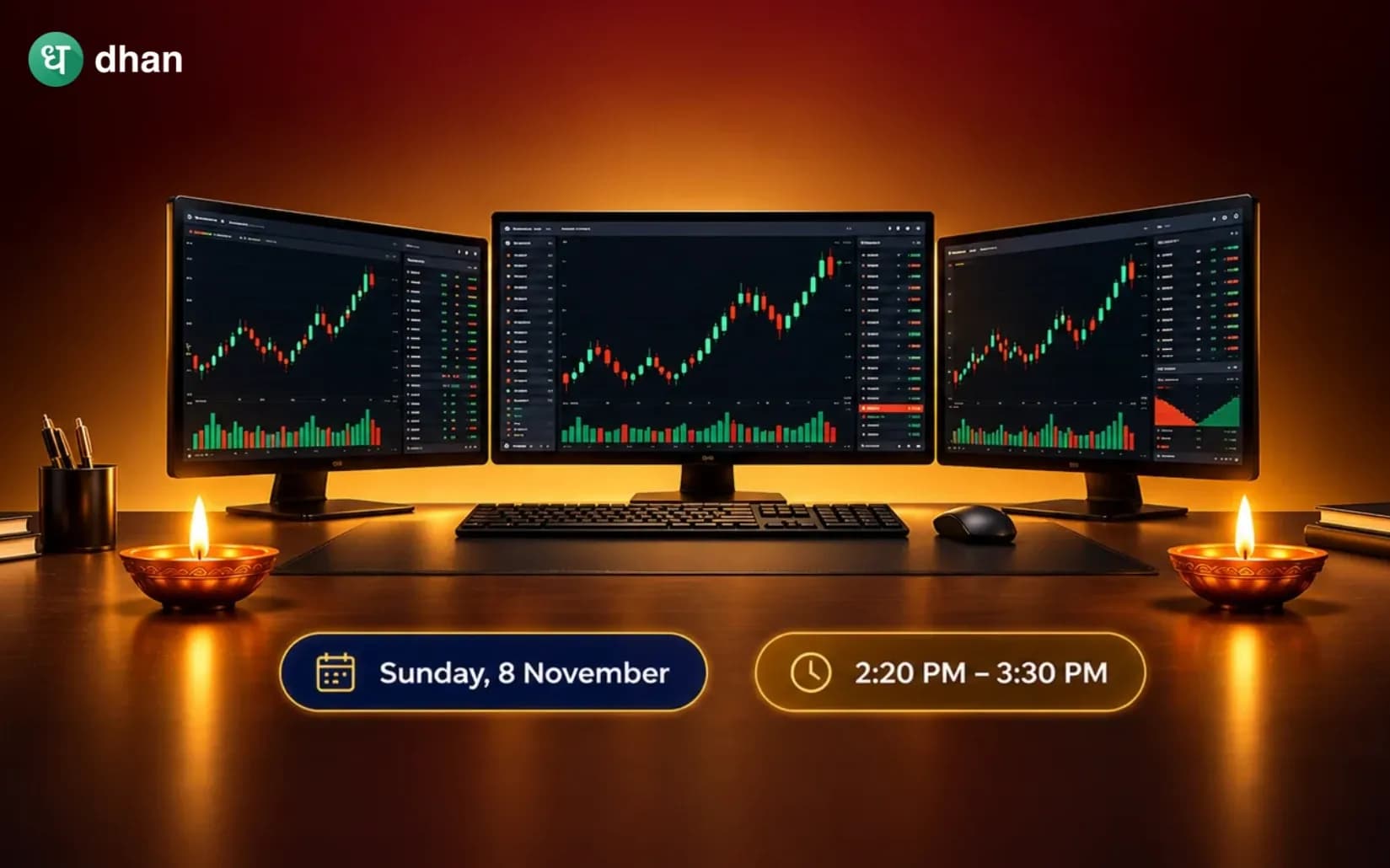
- Muhurat Trading is scheduled for Sunday, 8 November 2026.
As 9 November 2026 falls on a Monday, many investors and traders may want to confirm whether the Indian stock market will remain open after Diwali and the Muhurat Trading session.
NSE and BSE are scheduled to remain open on 9 November for regular trading. The date does not appear in the exchanges' 2026 trading holiday calendars. MCX has also not listed 9 November as a trading holiday.
Here is what investors need to know about stock market trading, settlement and the upcoming November holidays.
Why is 9 November important for stock market investors?
The date falls immediately after Diwali Laxmi Pujan, which is observed on Sunday, 8 November 2026. The stock exchanges will conduct a special Muhurat Trading session on that Sunday.
The next day, Monday, 9 November, is not listed as a trading holiday. Therefore, investors can expect regular trading to resume after the special session. The next scheduled full-day trading holiday is Diwali-Balipratipada on Tuesday, 10 November.
Are NSE and BSE open on 9 November 2026?
Yes, both NSE and BSE are scheduled to remain open on Monday, 9 November 2026.
The NSE holiday calendar lists Diwali-Balipratipada on 10 November and Guru Nanak Jayanti on 24 November as trading holidays. November 9 is not included in the list.
Investors can therefore place and execute buy and sell orders during the regular trading session, subject to the usual market timings and trading rules.
Will MCX remain open on 9 November 2026?
Yes, MCX is also scheduled to remain open on 9 November 2026.
According to the official MCX trading holiday calendar, Diwali-Balipratipada falls on Tuesday, 10 November. On that day, the morning session will remain closed, while the evening session is scheduled to remain open. November 9 is not listed as a holiday.
Investors trading gold, silver, crude oil and other commodity futures should check the applicable trading hours and contract specifications before placing orders.
Is 9 November a settlement holiday?
November 9 is not listed as a trading holiday in the NSE's 2026 calendar. However, investors should check the relevant clearing corporation's settlement calendar separately before making assumptions about the movement of funds or securities.
A trading holiday and a clearing holiday are not necessarily the same. The exchange may allow trading while specific banking or settlement processes follow a different schedule.
Will the T+1 settlement cycle be affected?
Yes, the Diwali holiday can affect the T+1 settlement cycle. While the stock market will remain open on Monday, 9 November 2026, Tuesday, 10 November, is a trading holiday for Diwali-Balipratipada. The date is also listed as a settlement holiday in the NSE Clearing calendar.
Under the T+1 settlement cycle, equity trades are generally settled on the next working day.
Since 10 November is a settlement holiday, trades executed on 9 November will be settled on the next working day. Investors should keep this in mind when planning to use sale proceeds or receive shares during the Diwali period.
What are the stock market holidays in November 2026?
The following dates matter for investors planning trades in November.
The dates are based on the published NSE and MCX holiday calendars. Muhurat Trading is a special session, so its timings differ from regular market hours.
Final thoughts
The Indian stock market will remain open on Monday, 9 November 2026. NSE, BSE and MCX have not listed the date as a trading holiday.
Investors should also remember that Tuesday, 10 November, is a trading holiday for Diwali-Balipratipada. Those planning trades around the Diwali period should check the official exchange calendars and their broker's settlement schedule before making transactions.